MindTime Knowledge Academy
You’re not seeing personalities.
You’re seeing patterns in how people think in time.
Watch any team in a meeting. Some people ask for evidence before deciding. Some focus on the plan and next steps. Some push toward new possibilities. You can see it in what they ask, what they worry about, what energises them.
That’s thinking made visible.
And it’s always rooted in how they naturally orient their attention: toward what’s already known and proven, toward what needs to happen now, or toward what could be possible.
MindTime gives you a clear way to understand and work with those patterns.
What you’re already seeing
In any group, you will notice:
Some people want evidence, certainty, and to reduce risk
Some people want structure, clarity, and a plan
Some people want to move fast, explore, and imagine possibilities
When these differences align, things flow
When they don’t, things slow down, fragment, or get stuck
What MindTime shows you

MindTime gives language to what you’re already seeing:
Past thinking → the need for certainty, validation, evidence
Present thinking → the need for structure, execution, process
Future thinking → the need for possibility, exploration, change
Everyone uses all three
But in different intensities
How to understand what you’re seeing
When a group gets stuck, it’s rarely about personality, attitude, or resistance to the topic. It is usually a mismatch in how people are approaching time, certainty, and action
Not disagreement on what needs to happen
But on how to move forward

Want to go deeper?
If you want a more complete understanding of the MindTime model and how it shows up in practice, these videos will walk you through the core ideas and examples (60 minutes total).
It’s All About Time goes deeper into how organisations think as systems. If you’re working with team reports and Clara, Chapter 7, “Turning The Wheel of Innovation,” is particularly relevant. It shows how to move all three thinking perspectives through a decision cycle deliberately, ensuring ideas are explored, validated, and executed rather than getting stuck. The book is designed for leaders and coaches who want to understand not just what the framework reveals, but why teams get stuck when one perspective dominates.

Once you start looking through this lens, certain patterns become easier to recognise.
Not as fixed traits but as shifts in how people are engaging with the moment.
Differences in pace and direction
In most groups, you’ll notice:
Some slow things down to question, validate, or assess risk
Some focus on what needs to be done and how to structure it
Some people move quickly toward ideas and possibilities
At times, this creates momentum. At other times, it creates friction. What can feel like hesitation, impatience, or resistance… is often just a difference in how people are approaching time and action
When someone doesn’t engage the way you expect
You may notice:
- A lack of interest in certain parts of the conversation
- Disengagement when the focus shifts
- Strong preference for one type of discussion over another
This is often not about the topic but a sign that the mode of thinking required in that moment doesn’t match how that person naturally engages.
When one voice stands out
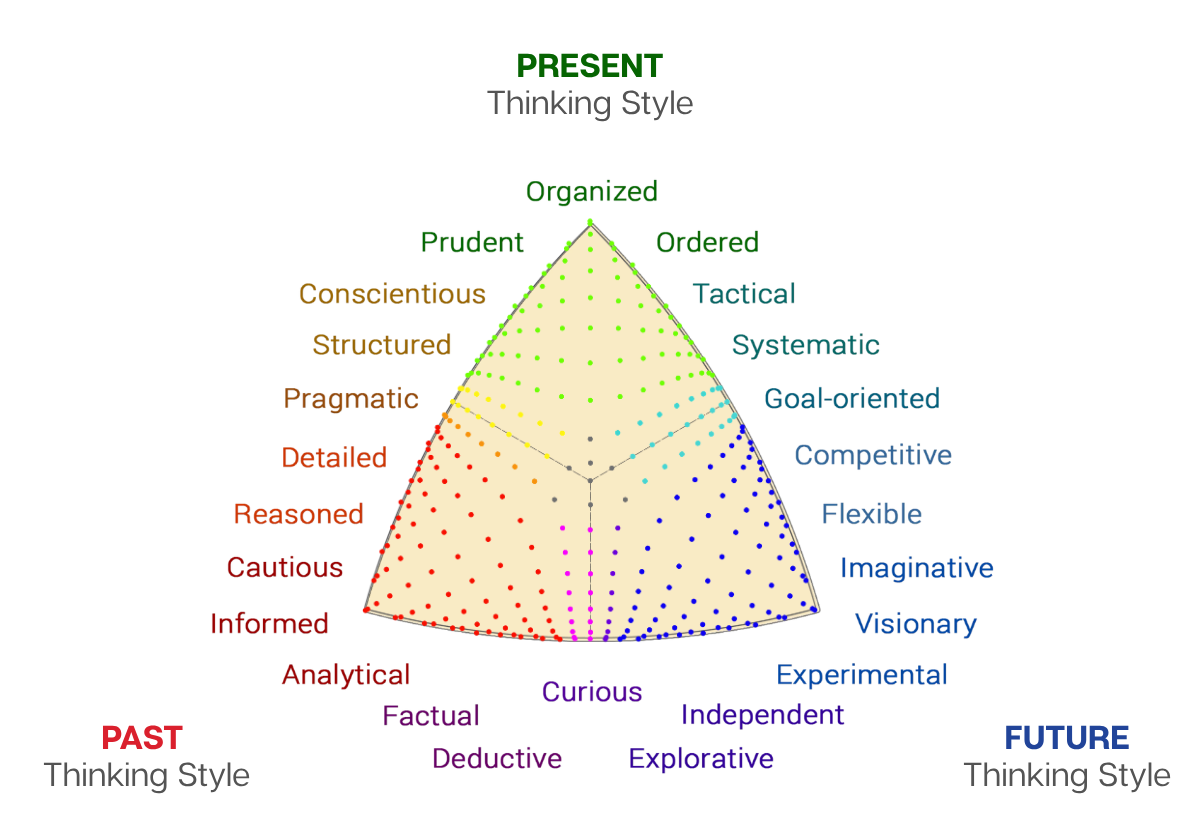
In some groups, most people cluster around a similar way of thinking. But there are often one or two who respond very differently.
- They ask different questions
- Slow things down when others want to move
- Or open things up when others want to close
These differences can feel like disruption. But they often point to something the group is not naturally covering.
These voices are often holding something the team needs, even if it doesn’t feel that way in the moment.
When energy shifts in the room
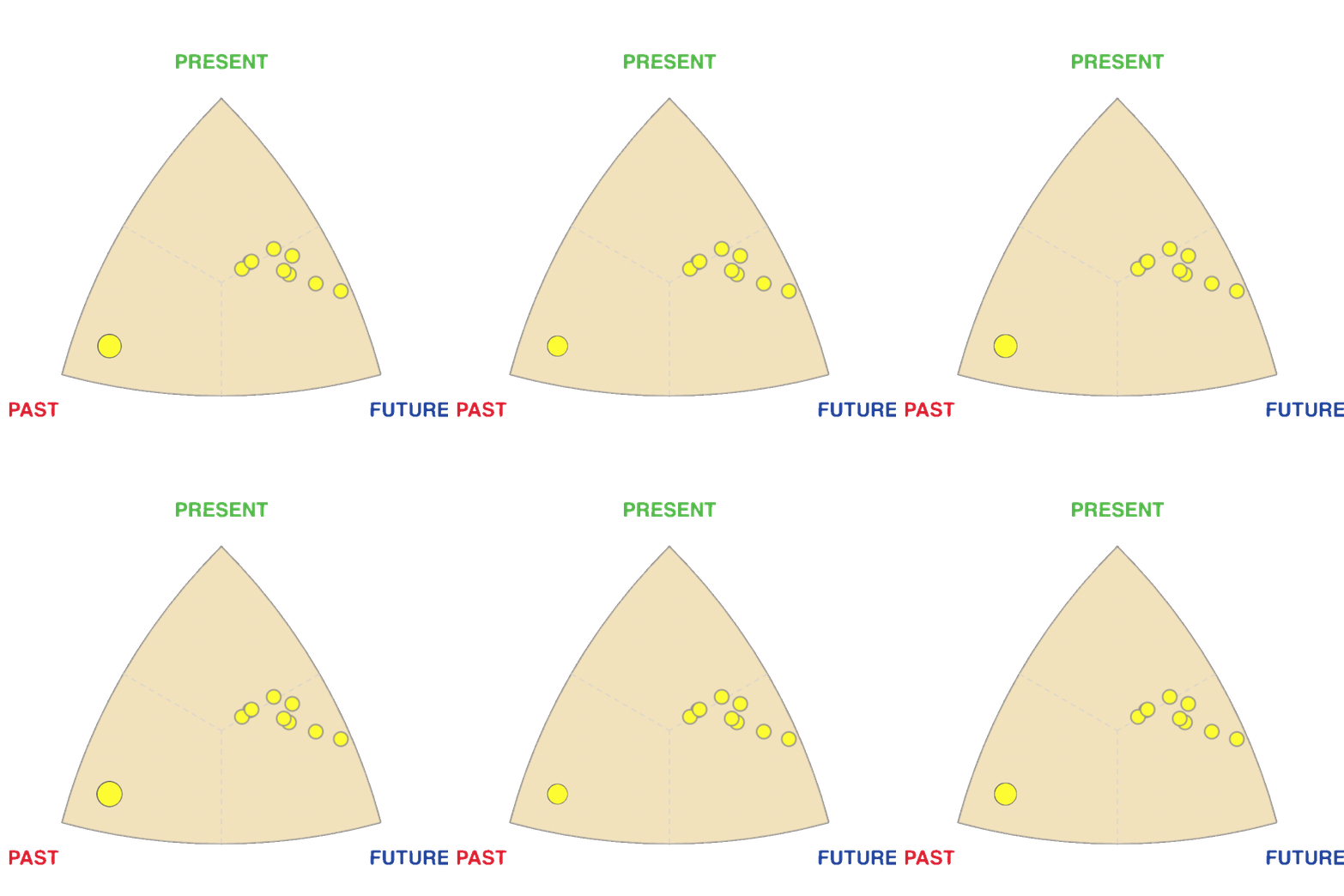
You might notice:
- Energy rising when exploring ideas, but dropping when structure is introduced
- Engagement increasing with clear plans, but fading during open discussion
- Momentum slowing when more validation or detail is needed
These shifts are not random. They reflect how well the current conversation aligns with the group’s thinking patterns
A different way to understand what’s happening
What you’re seeing is not:
- difficult people
- lack of alignment
- resistance to the topic
It is often:
a mismatch between what the moment requires
and how people are naturally oriented to think and act
Remember that what you’re seeing is thinking made visible. The tension is real, but it’s structural, not personal.
When you look at a team, it’s easy to focus on individuals:
- Who is dominant
- Who is quiet
- Who agrees or resists
But MindTime shifts the order of attention. You don’t start with individuals, but by looking at the pattern of thinking across the system.
You don’t need to analyse everything. These five steps are enough to orient yourself:
1. Start with the overall pattern
Before looking at individuals, ask:
- Does the team cluster tightly together?
- Is thinking spread out or concentrated?
- Is one perspective more dominant than others?
This gives you the first signal: How this system naturally operates

2. Then notice where thinking is concentrated
In many teams, certain types of thinking sit with specific people.
You may see:
- one or two people consistently raising risk
- one person translating everything into action
- a few people driving ideas forward
Over time, this creates patterns:
- some voices carry more weight
- others step back or disengage
- certain perspectives show up more often in the conversation
This is not personality. It reflects how thinking is distributed across the team
3. Pay attention to what stands out
Some differences are more visible than others.
You may notice someone who:
- sees things differently
- slows the group down
- pushes in another direction
These differences are often easy to focus on. They can feel like disruption, resistance, or misalignment.
But what stands out is not always what matters most. Sometimes it reflects a strong expression of a particular way of thinking. Sometimes it reflects a perspective that is less prevalent in the group. And sometimes it is simply a difference in intensity.
What matters is not just that something stands out, but what kind of difference you are looking at
4. Look at what is missing or not being used
A team may have access to all perspectives and still struggle
You may notice:
- ideas that don’t turn into action
- action without reflection
- caution that is ignored
- alignment without movement
This is not about capability. It is about what is—and isn’t—being activated
5. A simple way to orient yourself
When you look at a team, you don’t need to analyse everything.
Start with three questions:
- What seems to come naturally here?
- What feels harder or less present?
- Where does tension show up?
That is usually enough to begin seeing how this system works and where it can move
The team reports use several terms to describe how thinking shows up in individuals and in teams.
Some of these terms can easily be misinterpreted.
Words like:
- strong
- resistance
- missing
can quickly be heard as:
- good or bad
- right or wrong
- something that needs to be fixed
This can happen at an individual level, but also at the level of the team as a whole.
That is not what these terms are describing. They refer to structural patterns in how thinking is expressed within individuals and across the system. The same language applies at both levels.
When these terms are understood in this way, perception shifts.
You begin to see:
- what is present
- what is underrepresented
- what is absent
- and how different forces relate to each other
This gives you a clearer sense of why certain patterns repeat, and where movement becomes possible.
How to understand MindTime Scores
1. Independent Intensities — Not a Pie Chart
MindTime scores are independent intensity measurements. They do not sum to 100.
Metaphor – Imagine three separate volume knobs: Past, Present, and Future. Each can be turned up or down independently.
Reality – A high score in one perspective does not reduce capacity in another. It simply reflects where cognitive energy is naturally strongest. For example, one’s ability to imagine the future does not mechanically subtract from their ability to analyze the past.
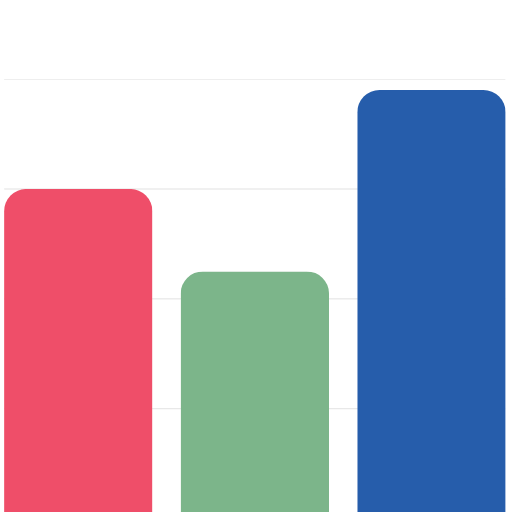
You can be:
- high in all three,
- low in all three,
- or strongly oriented toward one or two.
High scores are not “better” than low scores; they simply represent more intense cognitive energy flowing in a particular direction.
2. High Intensity = Strong Gravitational Pull
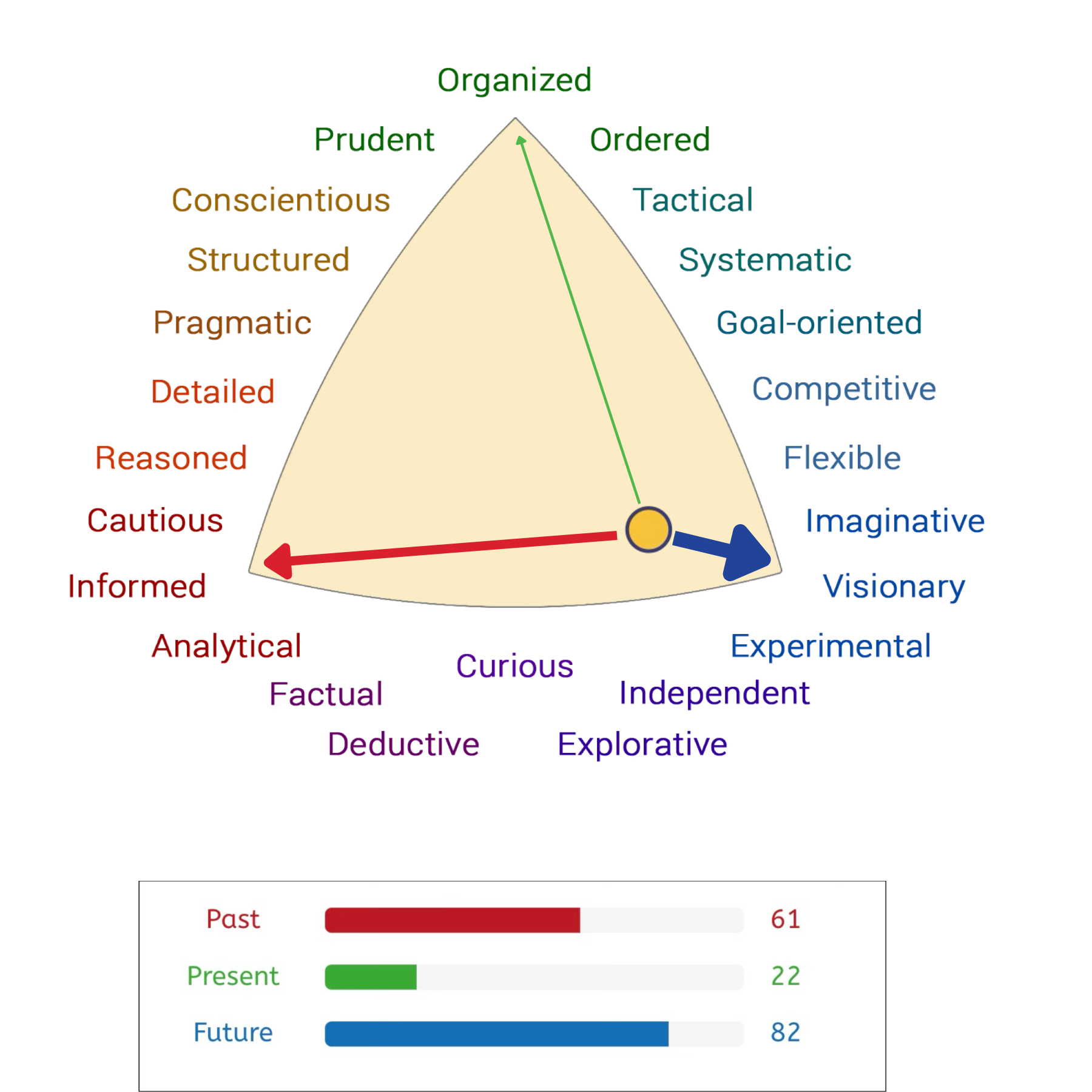
Scores in the 75–100 range indicate high cognitive intensity.
What it does
High intensity creates gravitational pull in conversations. These perspectives are “louder.” When that perspective is expressed, it carries weight and is harder to ignore.
Implication
High-intensity perspectives naturally become the dominant signal in the room.
Tension
They can drive momentum and clarity, but may also crowd out perspectives that operate with lower intensity if not made visible.
Important
This does not mean it will always shape the direction of the system. It means: when it is expressed, it lands with strength
Whether it influences the group depends on how it is taken up, reinforced, or left isolated
3. Leading Perspective — Home Base
A person’s highest score represents their leading perspective.
What it is
This is the default orientation — where attention returns without effort.
It shapes how information is filtered and how decisions are approached.
Relative difference matters
- A large gap between the highest and next score → a clear, singular home base
- Smaller gaps → a blended or dual-dominant orientation
This determines whether thinking is anchored or fluid across perspectives.
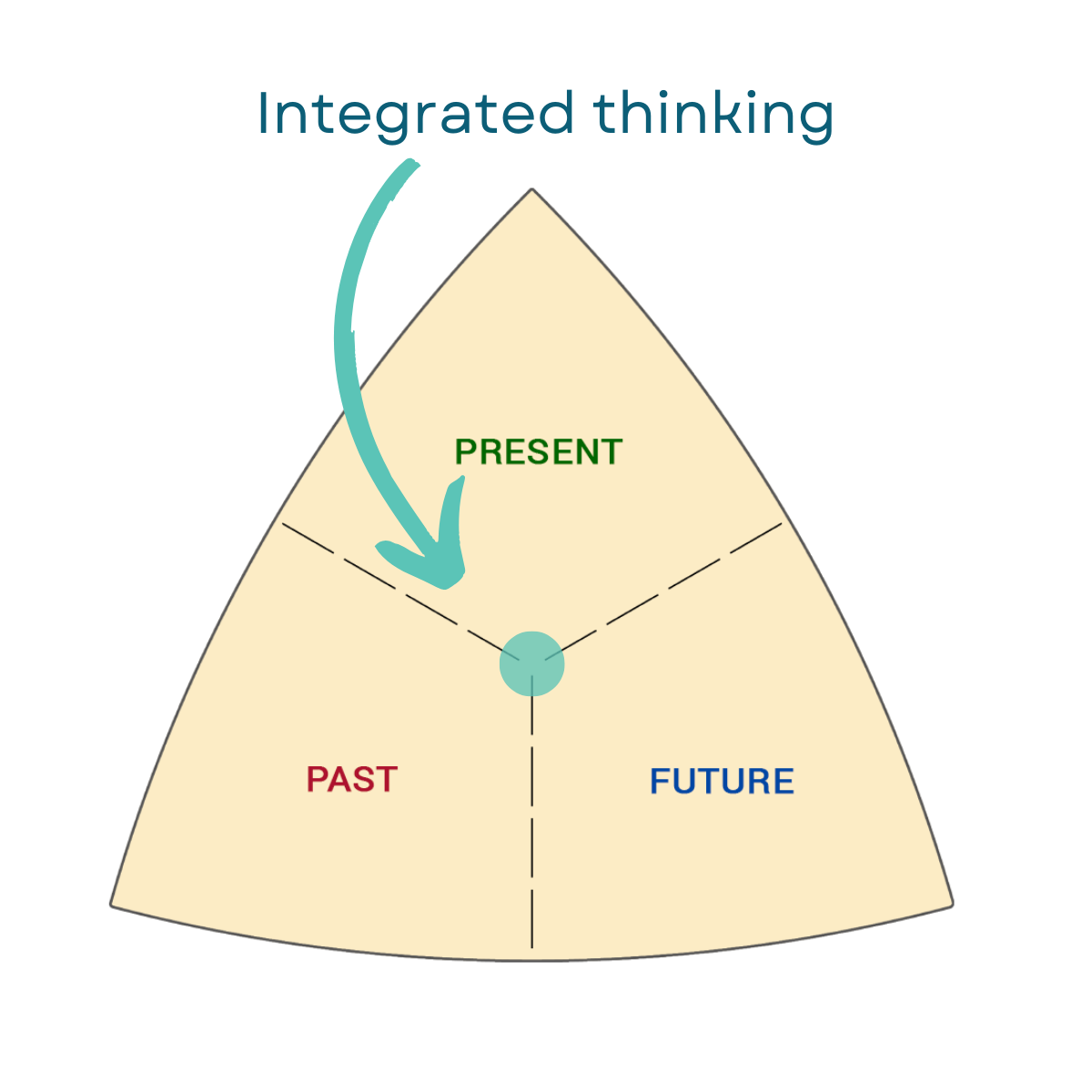
4. Integrated thinking
Integrated thinking occurs when all three scores (Past, Present, and Future) are very close together. You can think of an integrated thinker as a “cognitive polyglot.”
While most people have a clear “home base” lens, an integrated thinker has fluid, near-equal access to all three perspectives.
Because there isn’t one dominant pull, integrated thinkers often move naturally between different ways of thinking.
They can sit with:
- someone who needs evidence and validation, and genuinely feel the importance of that
- someone who is pushing a new idea, and see the potential in it
- and at the same time stay connected to what is realistic and workable
They often find themselves rephrasing or translating one perspective so that another person can actually hear it. In that sense, they can become a kind of bridge in the conversation, helping different directions of thinking connect.
The Paradox of Flexibility
This same flexibility can also feel like a tension. Because all three perspectives feel valid, there isn’t always a clear internal pull toward one direction. So instead of: “this is obviously the way forward”, it can feel more like: “there are several valid ways to look at this”
That can make it harder to naturally take the lead with one perspective, especially in moments where a clear direction is needed. And in rooms with high-intensity thinkers, this more balanced voice can sometimes be less immediately heard, simply because it doesn’t come with the same directional force.
5. Resistances
In the MindTime framework, a score on a perspective that falls below roughly 40 indicates a resistance.
This does not mean someone cannot think in that way. It means: it goes against their natural grain to stay there
What it feels like
You can usually feel resistance in the room.
It often shows up as:
- a drop in energy
- impatience
- a sense of “can we move on?”
Not because the topic is unimportant, but because it requires effort to stay in that way of thinking
When it happens
You’ll often see it in moments like:
- the conversation slows down to validate something, and someone wants to speed it back up
- the group moves into execution, and someone loses interest
- new ideas are introduced, and someone disengages or pulls back
Nothing dramatic. Just a subtle shift in energy.
What is actually happening
This is not about attitude or intent. It’s simpler than that: the thinking that is being asked for is not where energy naturally sits.
So one person is asking for something that feels necessary, while another experiences that same moment as effortful or draining.
The pattern underneath
Resistance creates three things at the same time:
- freedom — less attachment to that perspective
- blind spots — it’s not what attention naturally goes to
- friction — when it is required, it takes energy
Why this matters
These are often the moments where tension shows up. Not because people disagree in a personal sense, but because the system is moving into a direction that is not equally available to everyone
This is often where the real tension sits, both for the individual and for the group. Resistances point directly to where the system struggles and thus where meaningful development can occur. Not because something needs to be fixed. But because this is where the system can begin to see itself more clearly.
What often feels personal (frustration, resistance, misalignment), is revealed as something structural: a pattern in how thinking is oriented and expressed.
When that becomes visible, something shifts. The tension remains but the interpretation changes. There is less need for blame, and more room for understanding.
And from there, the system can begin to move differently. Not by changing how people think, but by recognising how those differences interact, and how they can be worked with more consciously.
Missing and Vital Links
In the MindTime framework, these two concepts help us understand the structural health of a team’s thinking. They describe whether a team has the necessary “internal advocates” for each stage of the thinking sequence (Explore, Validate, Execute).
Here is the general conceptual breakdown:
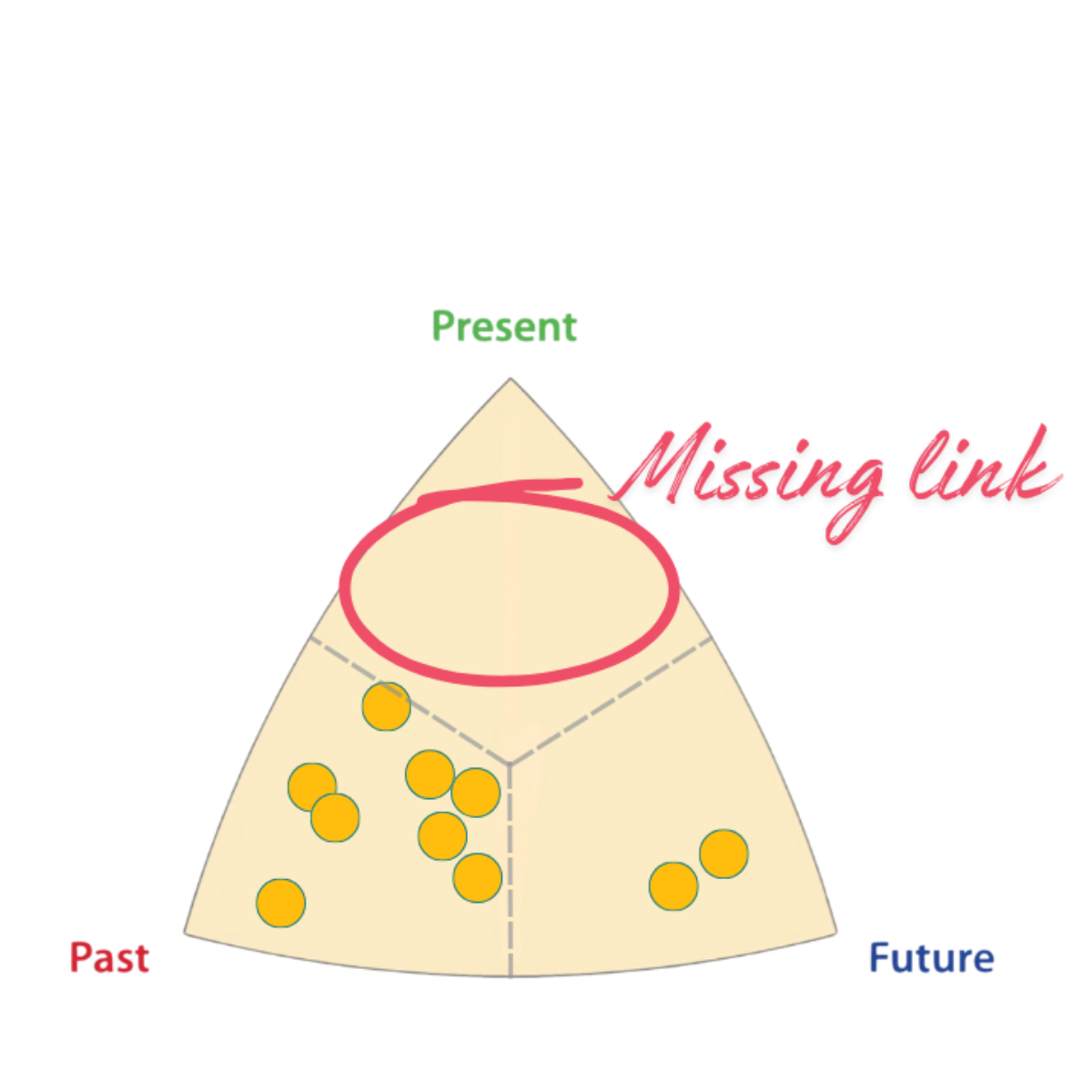
1. The Missing Link: A Structural Gap
A Missing Link occurs when zero members of a team lead with a specific perspective (Past, Present, or Future).
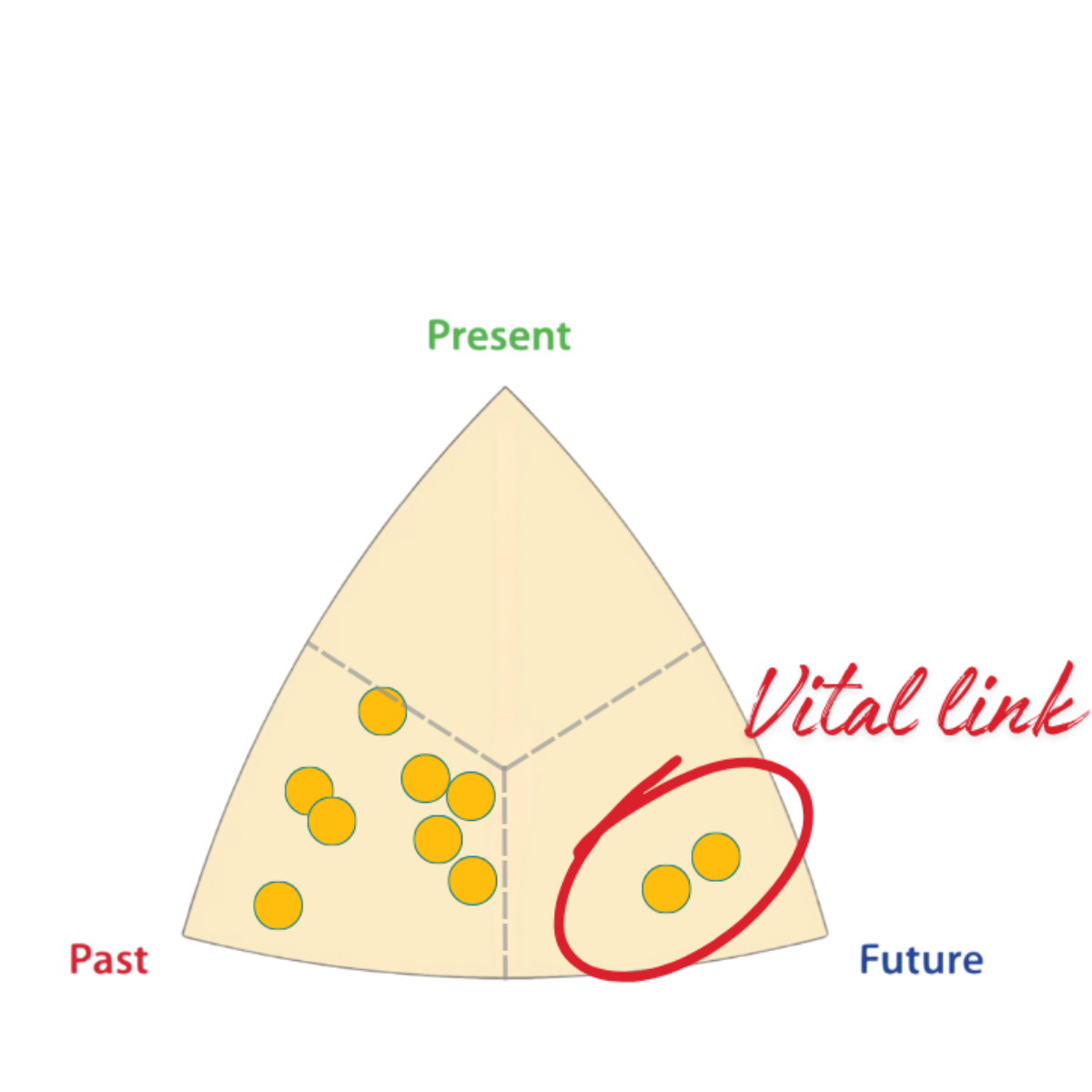
2. The Vital Link: A Fragile Presence
A Vital Link occurs when only a small minority (typically 1 or 2 members, or less than 20% of the team) leads with a specific perspective.
To summarise:
- Missing Link: No one is home in that perspective. You need a Process to fill the gap.
- Vital Link: Someone is home, but they are lonely. You need to Protect their voice.
The “Wheel of Collaboration” Context
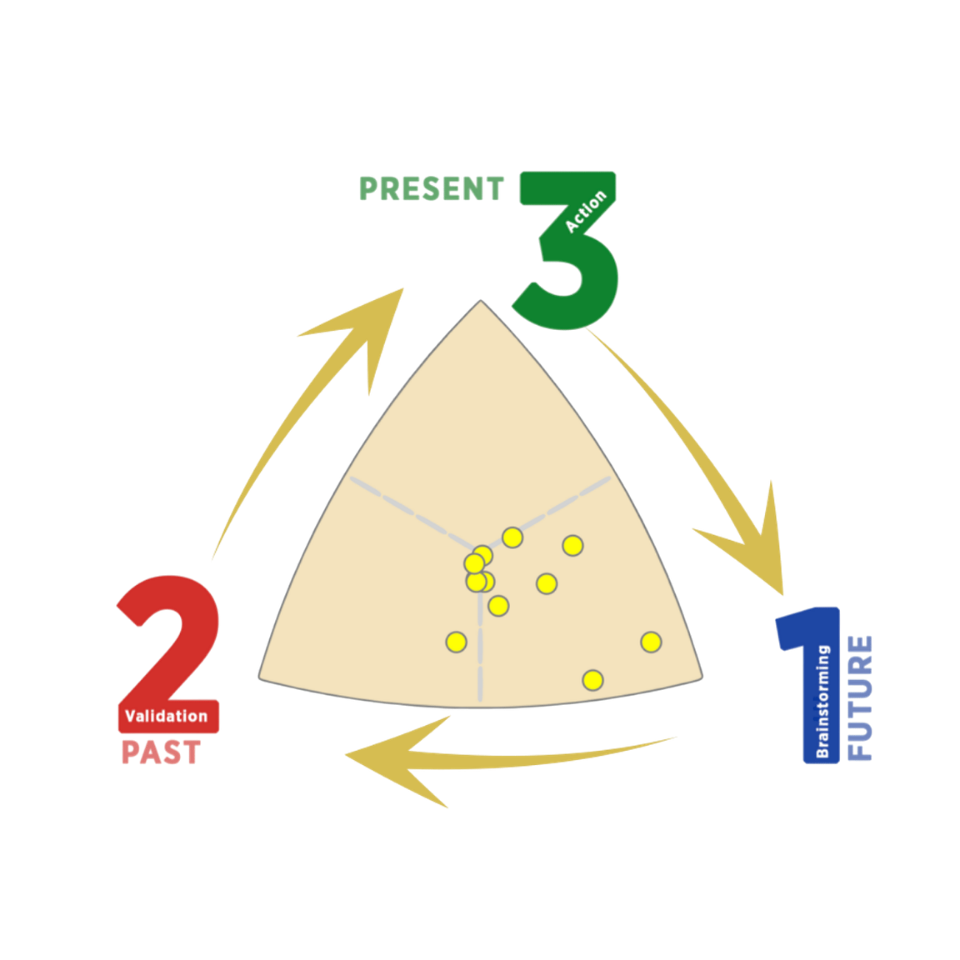
To see why these matter, you have to look at the Thinking Sequence:
- Future (Explore)
- Past (Validate)
- Present (Execute)
For example:
- If Past is a Missing Link, the team moves from Explore →Execute. They have high velocity but low durability (they build on unverified ideas).
- If Past is a Vital Link, the team tries to validate, but the “Execute” majority usually pushes past the validation phase because it feels like a “handbrake” on their momentum.
The 2 Dynamics
The Yes/No and Concrete/Abstract dynamics are the “macro-climates” of a team. While individual profiles tell you about a person’s home base, these dynamics tell you about the collective momentum and altitude of the room.
Here is the general conceptual breakdown:
1. The Yes/No Dynamic (The Velocity Lens)
This dynamic is rooted in our biological response to uncertainty. It is determined by the relationship between Future thinking (Appetitive/Approach) and Past thinking (Aversive/Avoidance).
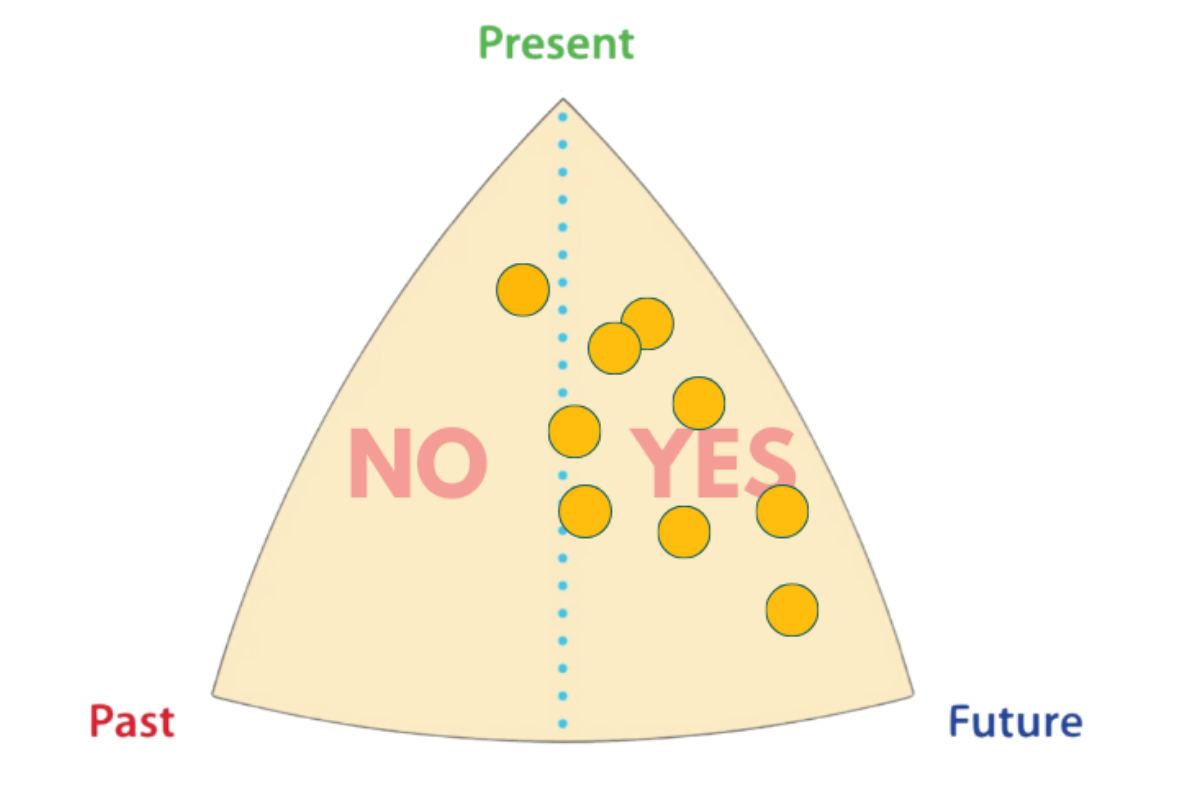
The NO Zone:
- The Orientation: Aversive. This is the “Inhibition” system. It moves toward certainty, evidence, and risk mitigation.
- The Voice: “Wait.” “How do we know?” “What is the evidence?” “Let’s be sure.”
- Team Impact: High durability and quality assurance. A NO-weighted team is thorough, grounded in reality, and excellent at protecting the organisation from unforced errors.
- The Risk: Analysis paralysis, resistance to necessary change, and missing time-sensitive opportunities because the “validation gauntlet” is too long.
The YES Zone:
- The Orientation: Appetitive. This is the “Approach” system. It moves toward opportunity, risk, and the new.
- The Voice: “Let’s try it.” “What if?” “What’s the opportunity?”
- Team Impact: High velocity and innovation. A YES-weighted team moves fast, embraces change, and is comfortable with “building the plane while flying it.”
- The Risk: Skipping validation, repeating historical mistakes, and “decision drift” (where a decision is made but doesn’t actually stick because it wasn’t stress-tested).
The Insight: This isn’t about “agreement.” It’s about velocity. A YES/NO conflict in a meeting is often just a clash between someone trying to speed up and someone trying to ensure quality.
2. The Concrete/Abstract Dynamic (The Altitude Lens)
This dynamic describes the “altitude” of the thinking. It is determined by the relationship between Present thinking (Operational/Tangible) and the average of Past and Future (Conceptual/Theoretical).
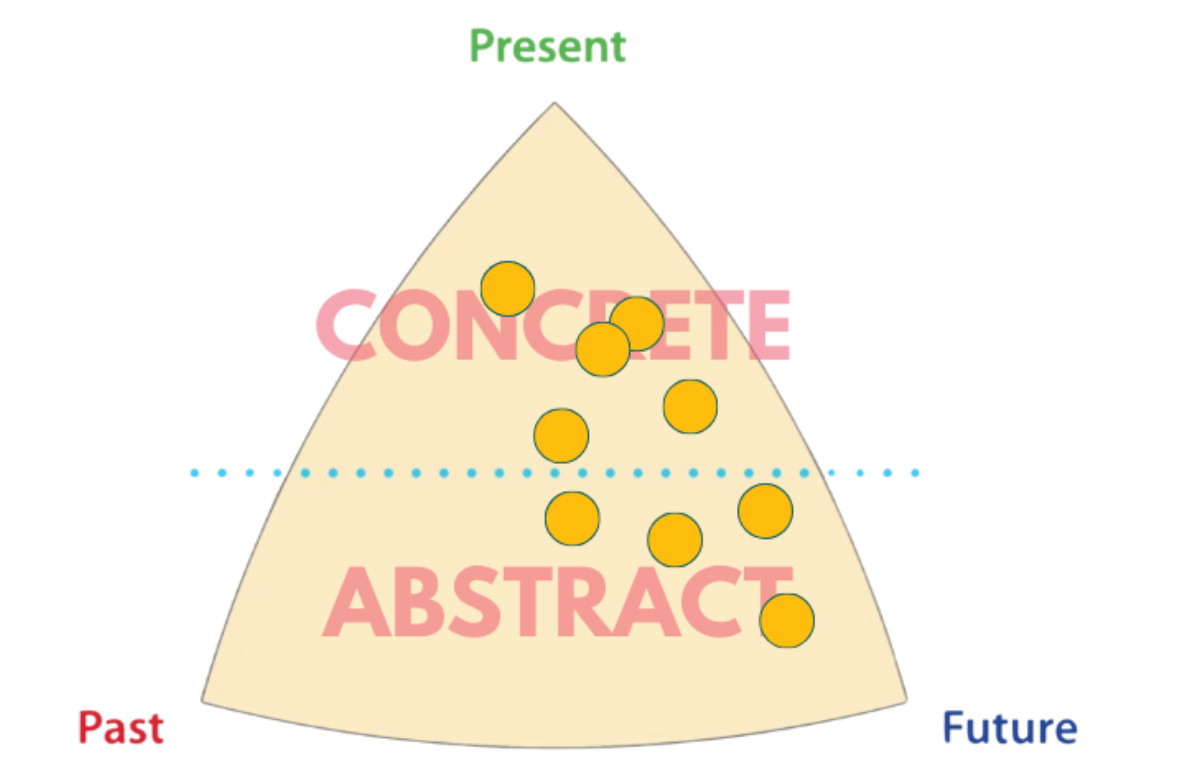
The CONCRETE Zone (Present-dominant):
- The Orientation: Pragmatic, relational, and structured. It deals in the tangible “here and now.”
- The Voice: “How do we do this?” “What is the next step?” “Who is responsible?”
- Team Impact: Execution capacity. Concrete-weighted teams are “doing” machines. They are excellent at delivery, operational grip, and making things real.
- The Risk: Becoming reactive or “tactical.” They may struggle with long-term strategy because the pressure of the “now” crowds out the space for deeper analysis or big-picture dreaming
The ABSTRACT Zone (Past/Future-dominant):
- The Orientation: Theoretical, complex, and individualistic. It deals in ideas, data patterns, and possibilities.
- The Voice: “What is the underlying logic?” “What does the data trend show?” “What is the five-year vision?”
- Team Impact: Strategic depth and innovation. Abstract-weighted teams are excellent at seeing the “big picture,” identifying complex patterns, and designing sophisticated strategies.
- The Risk: “Great ideas, poor follow-through.” They may struggle to translate their conceptual brilliance into tangible actions that the rest of the organisation can execute.
The Insight: This is about translation. A team with high variance (some members very Concrete, others very Abstract) will experience “Thinking vs. Doing” friction. The Abstract members feel the Concrete members are “short-sighted,” while the Concrete members feel the Abstract members are “lost in the clouds.”
The report gives you the pattern
The report shows you something about yourselves you couldn’t see before. It describes where your team’s thinking naturally gathers energy, where it encounters resistance, and where tension is likely to appear. You don’t need to analyse it deeply. Just read it and notice what lands as true.
What you’ll start noticing in your meetings
Once you’ve read the report, certain patterns become visible in real time. You may notice:
- Movement toward action without stopping to validate
- Hesitation when someone asks to slow down
- Tension between the pull to move fast and the pull to make sure you’re moving in the right direction
These aren’t problems. They’re the signature of how your team thinks together.
When tension shows up, resist the urge to personalise it
The instinct is to hear “you’re slowing us down” as a personal criticism. But what’s actually happening is more structural: your team is moving from exploration into validation, and not everyone finds that shift equally energising.
When you can name it that way — “we’re in the validation phase now” instead of “someone is being difficult” — everything shifts. The tension remains real. But it stops feeling personal.
Work with the pattern, not against it
The goal isn’t to change how anyone thinks. It’s to recognise the natural sequence your team needs to move through — explore, validate, execute — and make sure you’re not automatically skipping the parts that don’t happen naturally.
For teams with strong Future and Present energy but less Past, it might mean being intentional about validation. It means protecting the voice that raises concerns. It means slowing down long enough to stress-test ideas before you commit.
For teams with strong Past and Present energy but less Future, it might mean protecting space for exploration. It means inviting “what if?” questions before jumping to execution. It means tolerating some ambiguity long enough for possibilities to emerge.
For teams with strong Past and Future energy but less Present, it might mean focusing on the bridge between thinking and doing. It means clarifying who owns what, when things need to happen, and how decisions actually translate into action steps.
Once this becomes visible, the work changes
When your team can see its own patterns — not as personality conflicts but as thinking patterns — something shifts. What felt confusing begins to make sense. What felt like someone being difficult is now understood as someone doing what their thinking naturally does.
At that point, you’re no longer fighting the pattern. You’re working with it.
This is where Clara comes in
Once you’ve read the reports and start to see the dynamics at work in your team, Clara becomes your partner in working with them in real time, in meetings, in decisions, to help translate insight into action.
By now, you can see the patterns. You can see where energy gathers, where it gets resisted, and where tension is likely to appear. The question becomes: how do you work with what you’re seeing — not once in a diagnostic report, but continuously, in real time, as your team navigates decisions together?
That’s where Clara comes in.
Clara is not a replacement for the conversation. She’s a partner in it. She knows your team’s composition, she understands the MindTime framework, and she can help you translate insight into action in three specific ways.
1. Making the pattern visible as it happens
In a meeting, when tension rises, Clara can help you name what’s actually occurring. Not “you’re slowing us down” but “we’re moving from exploration into validation — and that shift requires a different kind of thinking.” She holds the structural lens so you don’t have to figure it out in the moment.
You might ask her: “We’re stuck on this decision. Looking at our team composition, what’s likely happening beneath the surface?” She’ll show you the thinking pattern, not the personality conflict.
2. Protecting perspectives that would otherwise get crowded out
If your team has a Vital Link — someone holding a perspective the majority doesn’t naturally share — Clara can help amplify that voice before it gets silenced. She can suggest how to frame that perspective so the dominant voices actually hear it. She translates across thinking styles so no one has to fight to be understood.
You might ask her: “Laura keeps raising concerns about regional readiness. How do I make sure that voice doesn’t just get absorbed by our speed?” Clara will help you see why that voice matters structurally and how to integrate it into your process rather than treat it as friction.
3. Bridging the gap between what you decide and what actually lands
The most common failure point isn’t in the decision — it’s in the translation. A decision that felt aligned in the room fragments in execution because different people understood it through different thinking lenses. Clara helps you close that gap.
You might ask her: “We aligned on the pilot approach, but three weeks in, people are interpreting it completely differently. What went wrong?” She’ll help you see where the validation phase wasn’t fully completed — where different perspectives weren’t actually integrated, just silenced.
How to use Clara after your first session
Clara becomes most valuable when you use her regularly, not just once. Think of her as a thinking partner embedded in your team’s rhythm:
- In planning meetings: “Clara, we’re designing the next phase. Help us make sure all three thinking perspectives are actually moving through this together, not just the dominant ones.”
- When friction appears: “We’re hitting tension on this. Show us what’s structurally happening beneath the surface.”
- When someone feels unheard: “I keep raising the same concern and it’s not landing. Help me translate what I’m seeing so this team can actually hear me.”
- Before major decisions: “We’re about to commit to this. Have we actually completed the thinking sequence, or are we skipping a phase?”
The shift from first-time diagnostic to ongoing partnership is what makes the framework stick. Clara helps you stop discovering the patterns after they’ve caused problems and start working with them before they do.